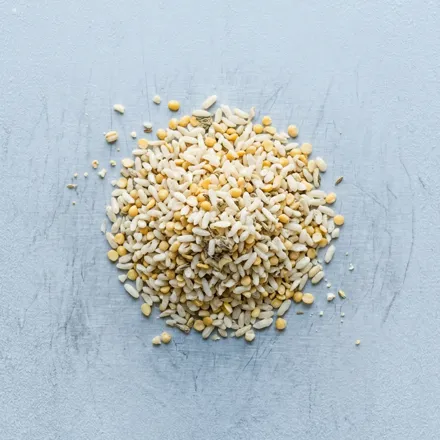
Best freeze-dried meals for trekking: how to choose and pack them
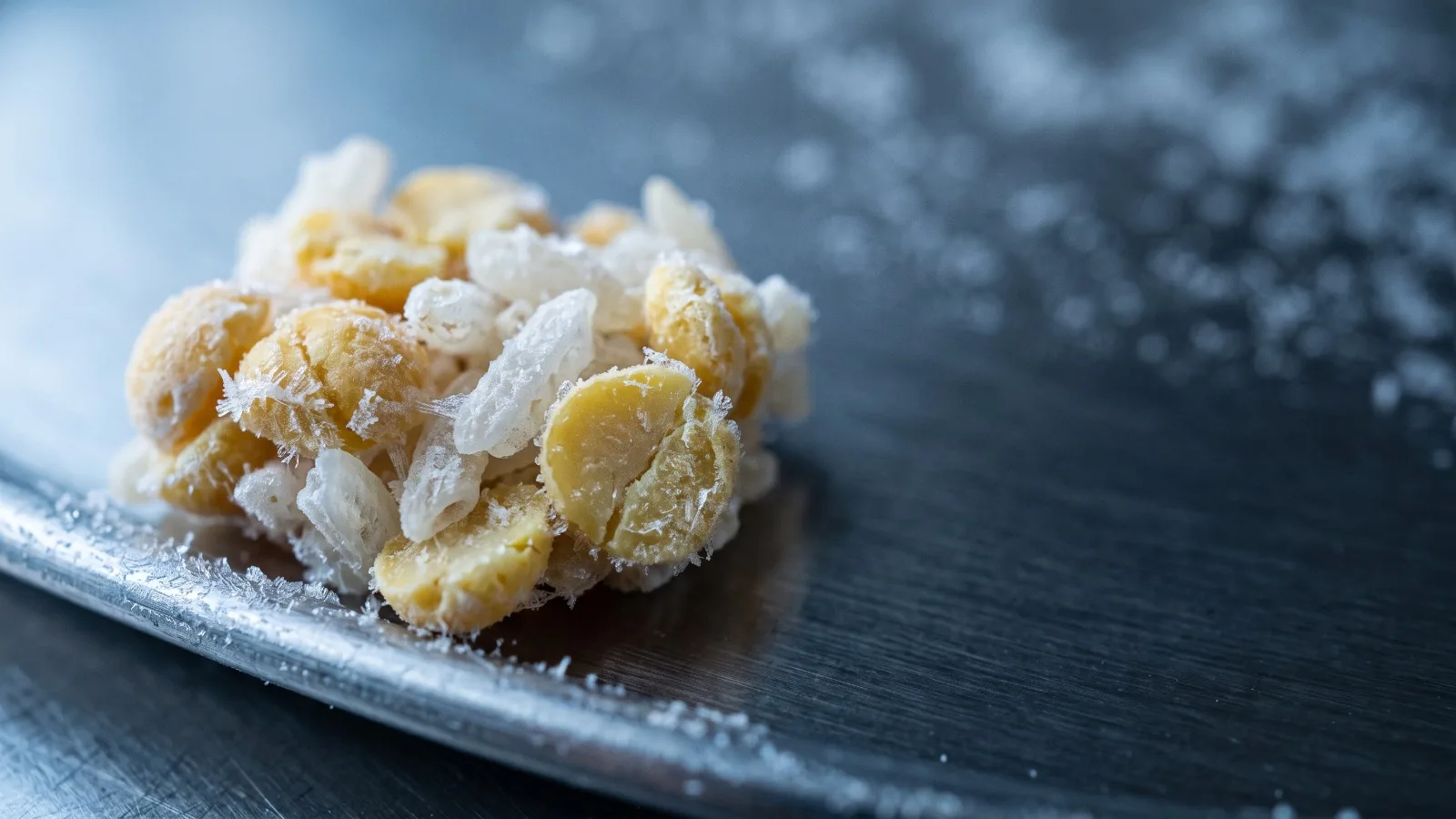
The best freeze-dried meals for trekking are complete cooked meals, such as dal chawal, rajma chawal and khichdi, that come back to life with hot water in a few minutes. They weigh a fraction of fresh food, need no fridge, and give you a proper hot meal at camp when appetite is low.
The short answer
Choose meals that have a grain and a protein in the same pack, rehydrate in under 10 minutes with hot water, and taste like food you already enjoy. Pack one meal for each lunch and dinner, a lighter breakfast like poha or upma, and one spare day of meals in case weather holds you up.
What makes a freeze-dried meal good for a trek?
On a trek every gram is carried uphill, water and fuel are limited, and tired people skip food that is hard to cook. A good trek meal solves all three.
- It is a complete meal. Dal with rice or rajma with rice fills you up on its own. A pack of plain vegetables does not.
- It rehydrates fast. Every extra minute on the stove burns fuel. Look for meals that need only hot water poured in, not simmering in a pot.
- It is light and dry. Freeze-drying removes most of the water, so the meal weighs a small part of what the cooked dish weighed.
- It keeps without a fridge. Sealed freeze-dried food stays good for months at room temperature, so it survives a long approach and warm days in the valleys.
- It tastes familiar. Appetite often drops at altitude. Food you grew up eating is much easier to finish than something new.
Which freeze-dried meals work best on a trek?
Indian rice and lentil dishes are some of the best foods to freeze-dry because they are soft, cooked through and made of small pieces that soak up water quickly.
| Meal | Why it works on a trek | Watch out for |
|---|---|---|
| Dal chawal | Mild and easy to eat when you are tired | Needs the full amount of water or the rice stays firm |
| Rajma chawal | Filling and hearty for long, cold days | Beans take the longest to soften, so give it extra time |
| Khichdi | Very soft, good on days you do not feel like eating much | Can turn thick, so add a little more hot water |
| Chole chawal | Strong flavour that still tastes good high up | Stir well so the gravy spreads through the rice |
| Poha or upma | Light, quick breakfast before an early start | Smaller meal, so pair it with a snack |
For a first trek, a mix of freeze-dried rajma chawal for the hard days and freeze-dried khichdi for the high, tired days covers most needs.
How does altitude change rehydration?
Water boils at a lower temperature as you climb, roughly 1°C lower for every 300 m. Cooler water soaks into food more slowly, so a meal that is ready in 7 minutes at home can need longer high up.
| Altitude | Water boils at about | What to do |
|---|---|---|
| Sea level | 100°C | Follow the time on the pack |
| 2,000 m | 93°C | Add 1 to 2 minutes |
| 4,000 m | 87°C | Add 3 to 5 minutes and wrap the pack |
| 5,300 m | 83°C | Add 5 minutes or more, stir halfway, keep it wrapped |
Pour the water straight off the boil, seal the pack, and tuck it inside a jacket or sleeping bag while it stands. Stir once halfway so dry pockets at the bottom get water. The full rehydration guide covers water amounts in detail.
How many freeze-dried meals should you pack?
- One meal for each lunch and dinner on days you camp or stay where food is not sold.
- A light breakfast like poha or upma for each morning.
- One spare day of meals for bad weather, a rest day or a slow group.
- Snacks to eat while walking, because a trek day burns far more energy than a desk day.
Plan fuel and water with the meals. Each meal needs its own hot water, so count meals when you decide how much gas to carry.
How to pack freeze-dried meals for a trek
- Keep every pack sealed until you eat it. Freeze-dried food pulls moisture from the air once opened.
- Group each day’s meals in one bag so you are not digging through the rucksack at camp.
- Keep them in a dry bag, since rain and river crossings are the main risk.
- Carry a long spoon so you can reach the bottom of a tall pack or tub.
- Carry every empty pack back down. Many trekking routes ask trekkers to bring their rubbish out.
What goes wrong, and how to fix it
- Crunchy bits in the rice: too little water or too little time. Add a splash more hot water and wait 3 more minutes.
- Watery meal: too much water. Leave it to stand a few more minutes while the grains keep soaking.
- Lukewarm meal: the water cooled before it soaked in. Wrap the pack next time and eat it straight away.
- Too salty: usually not enough water. Add a little more.
Comparing options before a trek? This side by side of freeze-dried meals and instant noodles for trekking shows why noodles alone rarely carry you through a long day. For storage before the trip, see how long freeze-dried food lasts.
Want freeze-dried Indian meals for the trail? Spice Up Foods makes 100% vegetarian, freeze-dried dal, rajma, khichdi and poha meals. Hot water, 7 minutes. No preservatives. 6 months shelf life.
See Spice Up Foods mealsCommon questions
How long do freeze-dried meals take to rehydrate on a trek?+
With water straight off the boil, most freeze-dried meals are ready in about 7 to 10 minutes at low altitude. Above about 3,500 m water boils cooler, so allow a few extra minutes and keep the pack wrapped while it stands.
Can you rehydrate freeze-dried meals with cold water?+
Some meals will soften in cold water if left for a long time, but rice and beans usually stay chewy and the meal is cold. Hot water gives a far better result, so carry a stove for main meals.
Are freeze-dried meals better than instant noodles for trekking?+
For a main meal, usually yes. A dal or rajma with rice is a complete, filling meal, while instant noodles are mostly flour and seasoning and leave many trekkers hungry again soon.