Guides
Plain answers on how freeze-drying works, how to use freeze-dried food and how to keep it.
 Freeze-dried vs ready-to-eat retort meals: which is better?How freeze-dried and retort pouch meals differ in weight, taste, shelf life and preparation, and which to choose for travel or study abroad.
 Freeze-dried Indian food for students abroad: what to packWhy freeze-dried meals suit students going abroad, how many to pack, how to make them in a hostel room and what to check at customs.
 Best freeze-dried meals for trekking: how to choose and pack themWhich freeze-dried meals work best on a trek, how altitude changes rehydration, how many to pack and what goes wrong.
 Freeze-dried Indian food: which dishes work and how to chooseWhich Indian dishes freeze-dry well, how freeze-dried Indian food is made, how it compares with retort pouch meals and how to choose it.How long does freeze-dried food last?How long freeze-dried food lasts sealed, opened and rehydrated, how to store it so it keeps, and the signs it has gone bad.
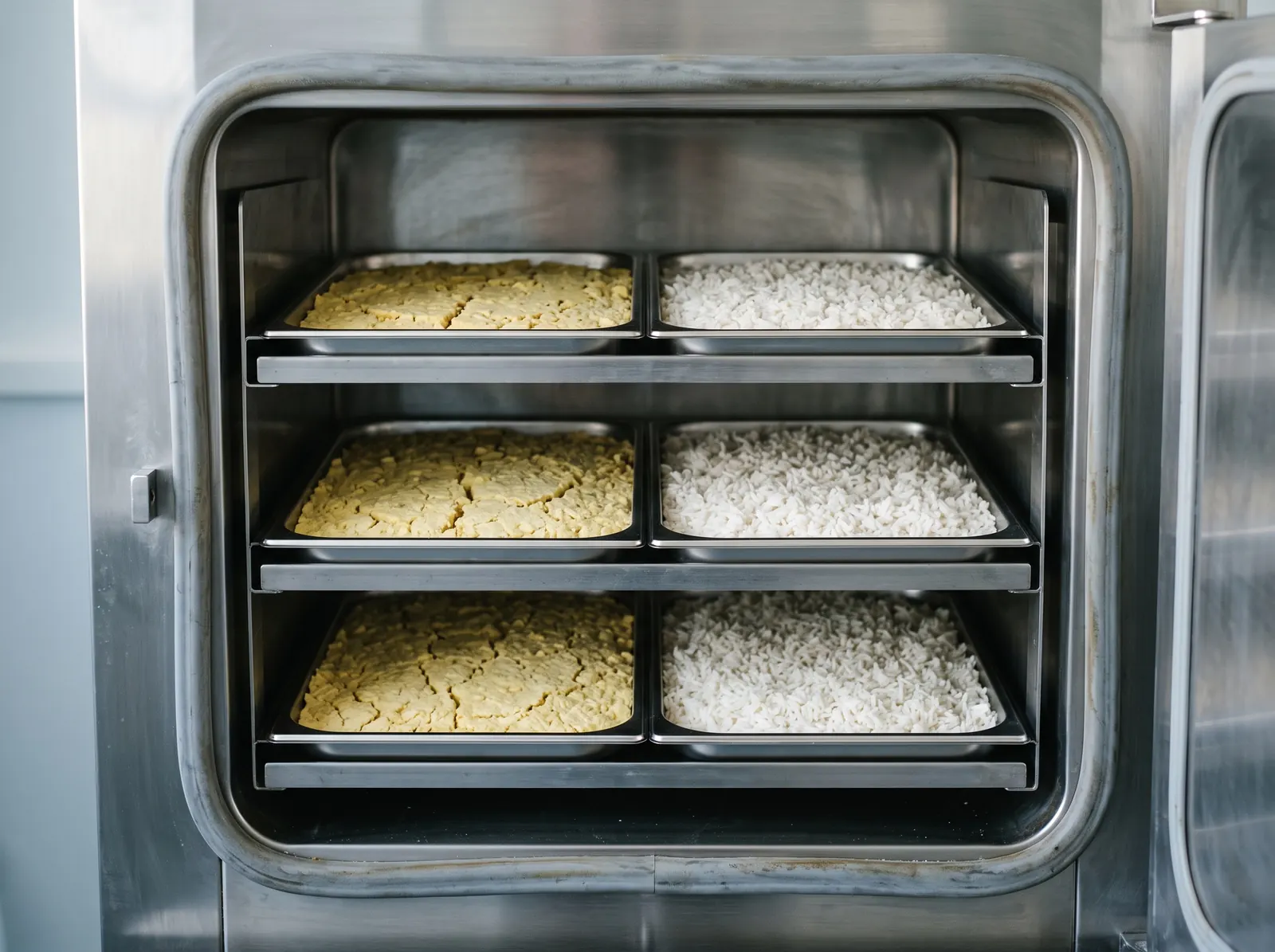 Freeze-dried vs dehydrated food: what is the difference?Freeze-dried and dehydrated food both remove water, but in very different ways. Here is how they differ in taste, texture, weight, shelf life and how you eat them.How to rehydrate freeze-dried food the right wayHow much water to add, hot or cold, and how long to wait for freeze-dried meals, rice, vegetables, paneer and fruit, plus the mistakes that make it soggy or crunchy.
Prefer freeze-dried Indian meals ready to eat? Spice Up Foods cooks dal, khichdi and pav bhaji in Kolkata and freeze-dries them with no preservatives.
See Spice Up Foods meals